

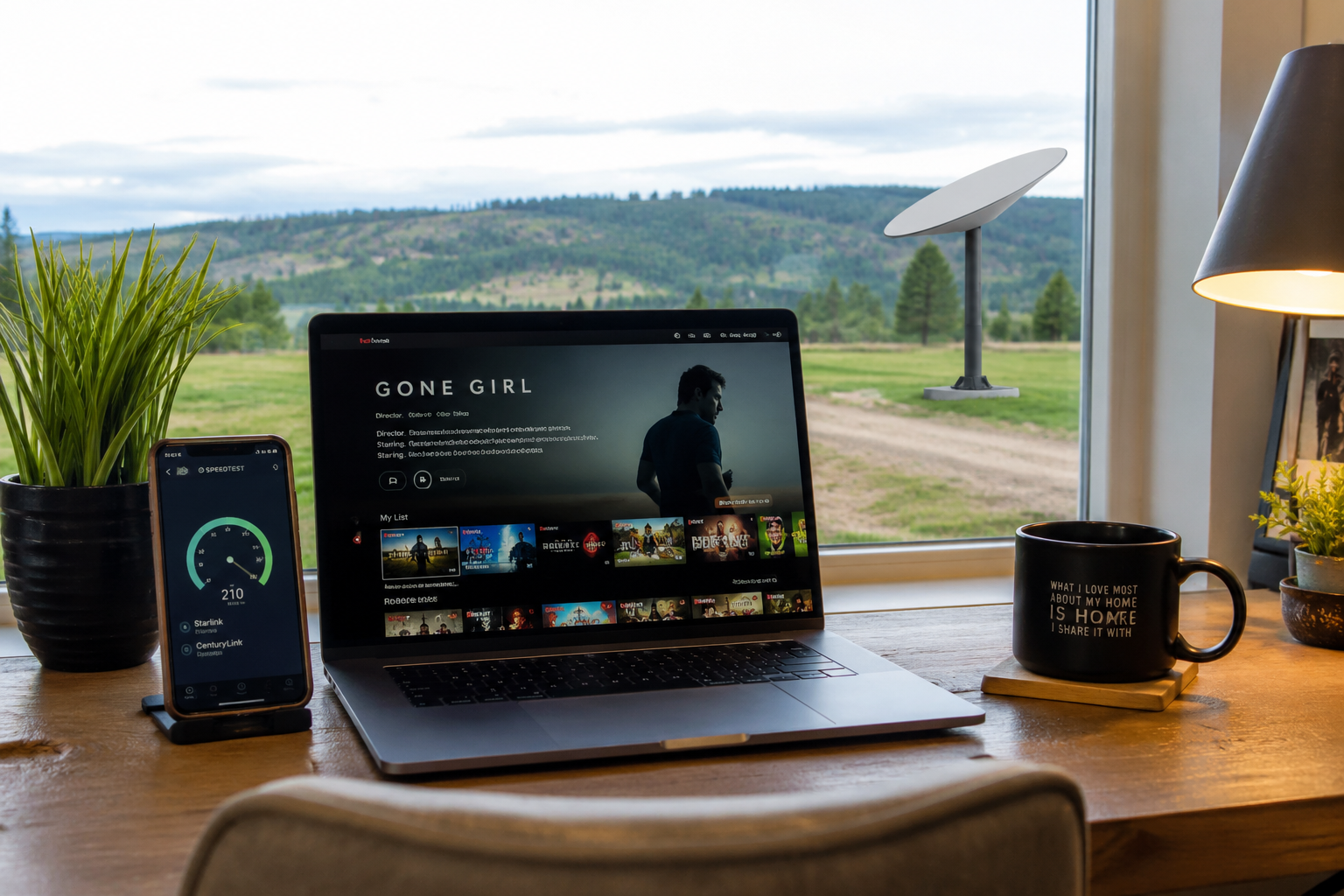
If you’ve spent any time online lately, you’ve probably heard people talking about Starlink. Some users swear it completely changed their internet life. Others complain about the price, weather issues, or setup headaches. So naturally, the big question becomes:
Short answer? Yes, for the right person.
Long answer? Well… that’s where things get interesting.
I’ve been following the rise of Starlink ever since it started showing up in tech videos, Reddit discussions, travel van setups, and random “I live in the middle of nowhere” internet success stories. What began as a futuristic experiment from SpaceX has now become one of the biggest names in satellite internet.
And honestly, the reason people are so obsessed with it is simple: traditional internet providers have ignored rural users for years.
If you live in a city with fast fiber internet, Starlink may not seem revolutionary. But if your current connection feels like it was powered by a potato and hope, Starlink can feel like magic.
In this article, I’ll break down how Starlink works, who should actually buy it, the real pros and cons, gaming performance, streaming quality, pricing, setup experience, and whether the hype is justified in 2026.
Grab a coffee, because satellite internet suddenly became way more interesting than anyone expected.
What Exactly Is Starlink?
Before deciding whether Starlink internet is good, it helps to understand what it actually is.
Unlike traditional cable or fiber internet, Starlink uses satellites orbiting Earth to provide internet access. Thousands of small satellites communicate with a dish installed at your home.
Sounds complicated, but the user experience is surprisingly simple:
- You order the Starlink kit
- Put the dish somewhere with a clear sky view
- Plug it in
- The Internet appears like modern wizardry
That’s basically it.
Traditional satellite internet has existed for years, but older systems were painfully slow and had terrible latency. You could click a YouTube video and practically age emotionally before it loaded.
Starlink changed that by using low Earth orbit satellites, which are much closer to the planet. That means lower latency, faster speeds, and a much smoother internet experience overall.
And yes, it’s heavily connected to Elon Musk, which automatically guarantees endless online debates.
Why People Are Suddenly Interested in Starlink
The popularity of Starlink exploded because it solved a very specific problem:
Bad rural internet.
If you live in a major city, you probably already have decent internet options. Fiber, cable, 5G home internet, and urban users are spoiled for choice.
But outside cities? Different story.
Some people still deal with:
- Slow DSL
- Expensive satellite plans
- Weak mobile signals
- Constant outages
- Limited data caps
- Internet speeds slower than modern app updates
That’s where Starlink became a game-changer.
For many rural families, remote workers, travelers, and even boat owners, it offered something they never really had before:
Actually usable high-speed internet.
And not a “technically connected” internet.
I mean real streaming, gaming, Zoom calls, uploads, downloads, and Netflix without buffering the internet.
That’s why you see so many emotional YouTube reviews where someone in a remote cabin says things like:
“I can finally work from home.”
Honestly, that part alone explains why Starlink has such loyal fans.
The Setup Experience: Easier Than Expected
One thing I genuinely appreciate about Starlink is that the setup process feels modern.
There’s no awkward “the technician will arrive sometime between 8 AM and next Thursday” energy.
The kit usually includes:
- A satellite dish
- Router
- Mounting hardware
- Cables
- Power supply
You place the dish somewhere with a clear sky view, connect everything, and the system automatically aligns itself.
The first time people see the dish move on its own, there’s usually a brief moment of:
“Okay, that’s slightly creepy but also cool.”
The Starlink app helps identify obstructions like trees or buildings. That matters because satellite visibility is extremely important.
If your dish is blocked by trees, your connection can become unstable. This is one of the biggest issues new users face.
So yes, your beautiful giant backyard tree may become your internet villain.
Is Starlink Internet Fast?
Now we reach the question everyone asks first.
Real-World Speeds
Starlink speeds vary depending on:
- Your location
- Network congestion
- Weather
- Obstructions
- Time of day
But many users report download speeds around:
- 50 Mbps to 250 Mbps
Uploads are usually lower but still solid enough for:
- Video calls
- Cloud uploads
- Remote work
- Social media content creation
Latency often ranges between:
- 20ms to 50ms
For satellite internet, that’s genuinely impressive.
It’s not always fiber-fast, but compared to older satellite services, Starlink feels like stepping from the Stone Age into modern internet civilization.
Can You Game on Starlink?
This is where things get surprisingly good.
Years ago, gaming on satellite internet was almost a joke. Competitive online gaming felt impossible because latency was awful.
Starlink changed that.
Is it perfect for esports professionals? Probably not.
But for average gamers? It’s honestly very playable.
Games like:
- Fortnite
- Call of Duty
- Minecraft
- Rocket League
- EA Sports FC
- Valorant
…are generally playable with decent ping.
However, occasional lag spikes can still happen.
Weather, network congestion, or brief satellite switching moments may cause small interruptions. Competitively ranked players might notice them more.
But casual gaming? Totally fine for most users.
And honestly, the idea of someone gaming smoothly from a remote mountain cabin still feels futuristic.
Streaming Movies and YouTube
This is one area where Starlink usually performs very well.
Most users can comfortably:
- Watch Netflix in 4K
- Stream YouTube
- Use Disney+
- Watch Twitch
- Scroll endlessly through TikTok at 2 AM
Buffering is usually minimal if your setup is good.
The real surprise is how normal the experience feels.
That may sound weird, but older satellite internet often reminded you constantly that it was satellite internet.
Starlink mostly just feels like… internet.
That’s a huge compliment.
The Biggest Downsides of Starlink
Now for the less glamorous part.
Because while Starlink is impressive, it absolutely isn’t perfect.
1. It’s Expensive
This is probably the biggest complaint.
You usually pay for:
- The hardware kit
- Monthly subscription fees
Compared to normal cable internet, Starlink can feel pricey.
For people with no alternatives, the cost may be worth it.
But if you already have reliable fiber internet? Starlink probably won’t make financial sense.
2. Weather Can Affect Performance
Heavy rain, storms, or snow can impact service.
The system is improving constantly, but weather interference still exists.
Most users don’t lose internet completely during light weather, but speeds can dip.
It’s not catastrophic most of the time, but it’s definitely something to know before buying.
3. Obstructions Matter More Than You Think
Trees are the natural enemy of Starlink.
Even partial obstructions can cause interruptions.
This becomes frustrating for users living in heavily wooded areas.
Sometimes people end up mounting dishes on:
- Roofs
- Poles
- Towers
- Weird DIY structures that look slightly concerning
Internet desperation creates engineering creativity.
4. Congestion Exists
In crowded areas, speeds may slow down during peak times.
This is especially noticeable in regions where many people adopted Starlink quickly.
So while marketing screenshots might show insanely fast speeds, your real-world experience could vary.
Is Starlink Better Than Traditional Internet?
This depends entirely on what you compare it to.
Starlink vs Fiber Internet
Fiber usually wins:
- Lower latency
- Faster speeds
- More stable
- Often cheaper
If you already have excellent fiber internet, Starlink probably isn’t necessary.
Starlink vs Old Satellite Internet
This isn’t even close.
Starlink is dramatically better.
Older satellite systems often struggled with:
- Massive latency
- Slow speeds
- Strict data caps
- Terrible streaming quality
Starlink feels generations ahead.
Starlink vs Rural DSL
In many rural areas, Starlink absolutely destroys DSL performance.
That’s why rural users are often the happiest customers.
For them, the upgrade can feel life-changing.
Who Should Actually Buy Starlink?
This is the important question nobody talks about enough.
Starlink Is Great For:
- Rural homes
- Remote workers
- Travelers
- RV owners
- Boats and off-grid setups
- People with terrible local internet options
Starlink May NOT Be Worth It For:
- People with excellent fiber
- Budget-conscious users
- Apartment dwellers with blocked sky views
- Users expecting perfect zero-lag gaming 24/7
This is why online opinions about Starlink vary so much.
A rural user upgrading from awful DSL may think Starlink is revolutionary.
A city user replacing gigabit fiber might think:
“Wait… I paid more for this?”
Context matters.
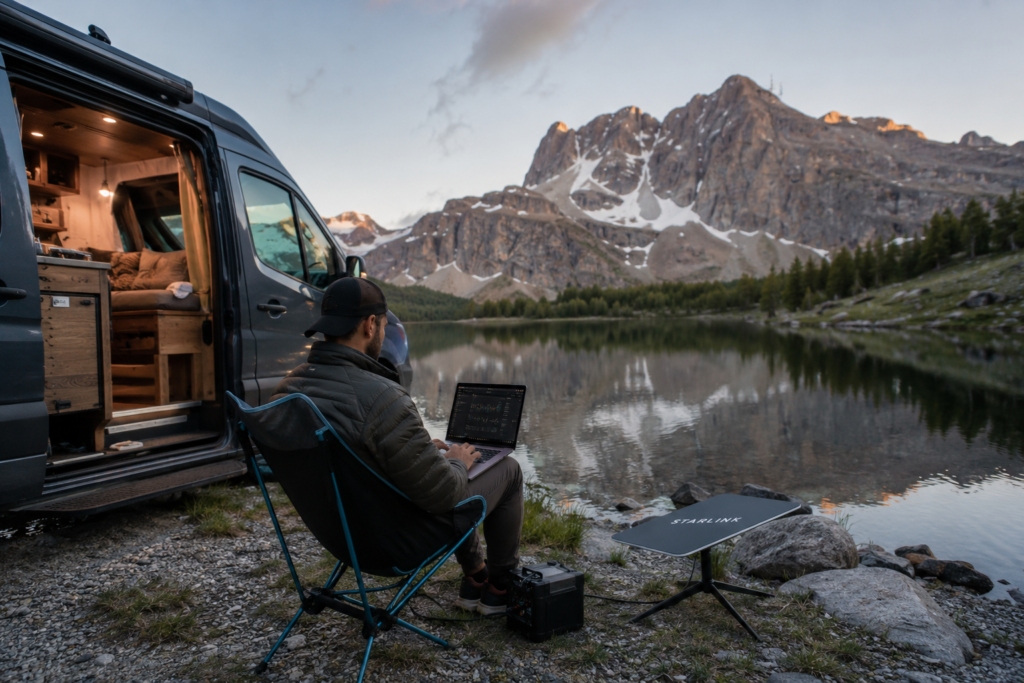
The Traveling Internet Lifestyle Is Real
One unexpected thing Starlink created is a whole new internet travel culture.
You now see:
- Van life creators
- RV travelers
- Digital nomads
- Remote campers
…using Starlink to work from places that previously had almost no connectivity.
That’s honestly one of the coolest parts of the technology.
The idea that someone can upload videos from a forest, desert, or mountain area still feels slightly sci-fi.
And yes, social media definitely helped make portable satellite internet look trendy.
Customer Service: Mixed Reviews
This topic comes up constantly online.
Some users say support is responsive.
Others say response times can feel slow.
Because Starlink grew incredibly fast, customer support occasionally struggled to keep pace.
This has improved over time, but it’s still one of the more common complaints.
When everything works, people love Starlink.
When something breaks, some users get frustrated waiting for help.
What About Data Caps?
One of the reasons people like Starlink is that it feels less restrictive than older satellite providers.
Heavy streaming, gaming, and downloads are generally manageable.
Policies can vary depending on region and plan type, but overall, the experience is much more modern than traditional satellite internet systems.
That alone makes a huge difference psychologically.
Nobody enjoys feeling scared to update a game because it might destroy their monthly data allowance.
Is Starlink Good for Students and Remote Work?
Honestly? Yes.
For students living in rural areas, Starlink can massively improve:
- Online classes
- Research
- Video conferencing
- Assignment uploads
For remote workers, it can also be a lifesaver.
Zoom calls, Slack, cloud software, and file sharing generally work well.
Before Starlink, some remote workers literally drove to parking lots with public Wi-Fi.
That’s not exactly the glamorous digital future we were promised.
The “Cool Technology” Factor Is Real
I’ll admit it.
Part of Starlink’s appeal is simply that it feels futuristic.
The dish auto-aligns.
Satellites move overhead.
The Internet arrives from space.
Even people who barely care about tech sometimes think:
“Okay… that’s pretty cool.”
And honestly, they’re right.
Very few internet services make people excited.
Most internet companies inspire the emotional energy of paying taxes.
Starlink at least feels innovative.
What Internet Experts Usually Say
Most tech reviewers land somewhere in the middle:
The Good
- Impressive rural performance
- Lower latency than traditional satellite
- Easy setup
- Expanding coverage
The Bad
- Expensive
- Not as stable as fiber
- Weather sensitivity
- Congestion in busy areas
That balanced view is probably the fairest one.
Starlink is neither magic nor terrible.
It’s a genuinely useful technology that works incredibly well for certain situations.
Common Myths About Starlink
“Starlink works perfectly everywhere.”
Not true.
Coverage and performance vary.
“It replaces fiber internet.”
Usually no.
Fiber remains better if available.
“Satellite internet is always terrible.”
This used to be true more often.
Starlink changed that perception significantly.
“You can’t game on satellite internet.”
Older systems struggled badly.
Starlink made gaming much more realistic.
So… Is Starlink Internet Good?
After looking at reviews, user experiences, tech tests, and real-world usage, my answer is:
Yes, if you actually need what it offers.
That’s the key.
Starlink is amazing for people with limited internet choices.
For rural users, especially, it can feel transformative.
But if you already have cheap, ultra-fast fiber internet in a city apartment, Starlink may feel unnecessary and expensive.
The technology itself is impressive.
The real-world usefulness depends on your situation.
And honestly, that’s probably the most reasonable conclusion.
Final Thoughts
The reason Starlink became such a huge conversation online is that it solved a problem millions of people quietly dealt with for years.
Reliable internet is no longer optional.
People work online.
Study online.
Game online.
Stream online.
Basically, live online.
And for a long time, rural areas were left behind.
Starlink didn’t just launch satellites into space; it forced the internet industry to rethink what connectivity could look like outside major cities.
Is it flawless? No.
Is it overpriced for some users? Probably.
But is Starlink internet good overall?
Absolutely, especially for people who finally have access to fast, modern internet because of it.
And honestly, the fact that your internet now comes from space still sounds cool every single time someone says it.
FAQs About Starlink Internet
Is Starlink internet good for gaming?
Yes, for most casual and competitive gaming. Latency is much lower than traditional satellite internet, though occasional lag spikes can still happen.
Is Starlink faster than normal Wi-Fi?
Starlink provides the internet connection itself, while Wi-Fi is how devices connect inside your home. Compared to many rural internet options, Starlink is often much faster.
Does Starlink work during bad weather?
Usually yes, but heavy rain or storms can temporarily reduce speeds or stability.
Is Starlink worth the money?
If you live in a rural area with poor internet options, many users consider it worth the cost. If you already have fiber internet, maybe not.
Can I use Starlink while traveling?
Yes. Many RV owners, travelers, and digital nomads use portable Starlink plans for internet on the go.
Is Starlink available worldwide?
Starlink continues expanding globally, but availability depends on your region and local regulations.
Does Starlink need professional installation?
Most users can set it up themselves using the included hardware and mobile app.
