

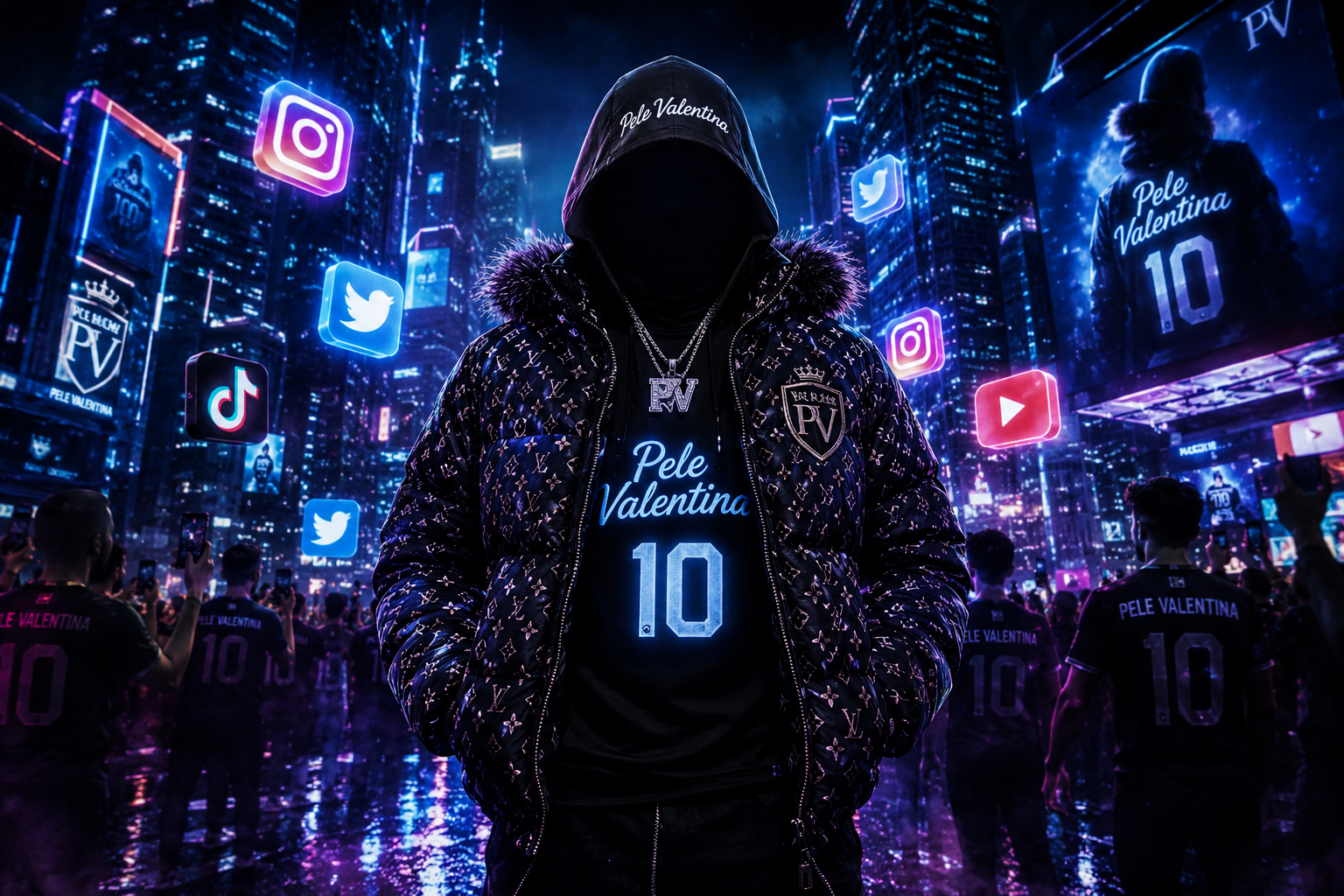
I stumbled across the phrase a few days ago while casually scrolling through trending searches, and my first reaction was honestly: “Did I miss a celebrity announcement or a viral TikTok trend?” Because the name sounds oddly familiar and mysterious at the same time. It has the vibe of a luxury fashion model, a football legend’s secret nickname, or maybe even the title of a dramatic Netflix series.
But here’s the funny part: the more you search for “Pele Velentina,” the more confusing things become.
That confusion is exactly why the keyword has started gaining attention online. People are searching it, talking about it, guessing meanings, and trying to figure out whether it’s a person, a trend, a typo, or something else entirely.
In this blog, we’re diving deep into the world of Pele Velentina what people think it means, why it’s trending, possible origins, internet theories, social media buzz, and how random phrases sometimes explode online for absolutely no logical reason.
And honestly? That’s the internet in 2026.
The Strange Rise of “Pele Velentina”
One of the most fascinating things about internet culture is how quickly random names or phrases can become searchable trends.
Sometimes it starts with:
- A viral TikTok sound
- A meme
- A typo
- A fake celebrity rumor
- An AI-generated image
- Or one person confidently posting nonsense online
And suddenly thousands of people are searching for it.
“Pele Velentina” feels exactly like one of those moments.
The phrase has that oddly believable structure:
- “Pele” instantly reminds people of the legendary football icon Pelé
- “Velentina” sounds close to names like Valentina, Valentino, or even luxury fashion branding
Put them together, and it sounds important even if nobody fully knows why.
That’s the secret formula behind many viral searches.
Is Pele Velentina a Real Person?
Let’s address the big question first.
As of now, there’s no widely verified public figure officially known as “Pele Velentina.” That’s why so many people keep searching for it.
But the internet loves mystery, and when something sounds elegant or celebrity-like, people naturally assume:
- It’s an influencer
- A singer
- A footballer
- A fashion model
- A TikTok creator
- Or someone trending secretly online
Honestly, I can’t even blame people for assuming that. “Pele Velentina” sounds like the kind of name that would already have:
- 4 million Instagram followers
- A skincare brand
- A Netflix documentary
- And an expensive perfume collaboration
The name just has that energy.
Why Are People Searching for Pele Velentina?
This is where things get interesting.
There are a few possible reasons behind the growing curiosity around the term.
1. Typing Errors and Search Confusion
A huge amount of internet traffic comes from spelling mistakes.
People might actually be searching for:
- Valentina
- Pele Valentino
- Bella Valentina
- Pele-related content
- Or another trending name entirely
Search engines often group similar-looking phrases together, which accidentally creates new trends.
It sounds silly, but that’s genuinely how many viral search terms are born.
2. AI-Generated Content Is Changing Search Trends
We’re now living in the era of AI-generated names, images, captions, and fake celebrity concepts.
Sometimes creators use AI to generate:
- Fictional influencers
- Fantasy characters
- Fashion identities
- Sports edits
- Fake movie posters
And viewers assume they’re real.
“Pele Velentina” honestly sounds like something AI could invent while trying to create a glamorous international celebrity name.
The result? People start searching it because everyone else looks curious, too.
3. TikTok and Reels Culture
TikTok has completely transformed internet behavior.
Someone could upload:
- A mysterious edit
- A football montage
- A dramatic song
- A slideshow with no context
…and suddenly thousands of viewers start asking:
“Who is Pele Velentina?”
The funniest part about TikTok trends is that sometimes nobody knows the answer but everyone pretends they do.
Classic internet behavior.
The Power of Mysterious Names Online
Let’s be honest for a second.
Some names just sound cool.
That alone is enough to make people interested.
“Pele Velentina” has:
- A sporty vibe
- A luxury aesthetic
- International flavor
- And celebrity-style rhythm
It feels cinematic.
If you heard:
“Pele Velentina spotted in Paris during fashion week…”
You’d probably believe it immediately.
That’s how branding psychology works. Certain names naturally feel memorable and premium.
Companies spend millions trying to create names with that exact effect.
Could Pele Velentina Become an Actual Brand?
Honestly? Yes.
This is where things get unexpectedly interesting.
Many successful brands started from random phrases, unique names, or internet curiosity.
“Pele Velentina” could easily become:
- A fashion label
- A football-inspired clothing line
- A perfume brand
- A luxury lifestyle page
- A music artist’s name
- Or even a fictional character franchise
The name already sounds marketable.
In today’s creator economy, branding matters almost more than meaning.
If something sounds stylish enough, people become curious automatically.
Social Media’s Obsession With Aesthetic Identity
Modern internet culture loves aesthetics more than explanations.
Think about how many online personalities succeed purely because they:
- Look mysterious
- Use stylish editing
- Have memorable usernames
- Or post-cinematic content
The name “Pele Velentina” fits perfectly into that trend.
It sounds like:
- Dark luxury
- Football-core aesthetic
- European fashion culture
- Instagram storytelling
- TikTok mystery edits
Even if the phrase originally meant nothing, social media can give it meaning through repetition.
That happens constantly online.
The Internet Loves Turning Nothing Into Something
One thing I’ve learned after years of browsing online is this:
The internet absolutely loves creating importance out of randomness.
And honestly, it’s kind of entertaining.
A random phrase appears.
People get curious.
Memes start.
Searches increase.
Videos appear.
Then suddenly everyone acts like it’s common knowledge.
Meanwhile, half the internet is secretly confused.
“Pele Velentina” feels like one of those modern digital mysteries where curiosity itself becomes the trend.
Not the meaning.
Not the origin.
Just curiosity.
Could It Be Connected to Football Culture?
Because the word “Pele” instantly reminds people of football, many users assume the phrase has sports connections.
Football culture online is massive right now:
- Player edits
- Motivational reels
- Street football clips
- Retro football aesthetics
- Lifestyle football pages
Sometimes, creators combine random, stylish words with football references to create unique usernames or online identities.
That could explain why “Pele Velentina” sounds strangely believable to sports fans.
And let’s be honest:
Football edits with dramatic music can make anything literally look legendary.
The Fashion Side of the Trend
There’s also something undeniably fashion-oriented about the phrase.
“Velentina” sounds elegant and luxurious.
It feels connected to:
- Designer branding
- European fashion houses
- Luxury aesthetics
- Perfume culture
- Instagram fashion influencers
That combination of sports + fashion is incredibly popular online right now.
Modern creators blend:
- Football
- Streetwear
- Luxury lifestyle
- Travel edits
- Cinematic photography
Into one aesthetic identity.
So even if “Pele Velentina” began randomly, it naturally fits modern internet trends.
How Viral Curiosity Works
The psychology behind viral searches is honestly fascinating.
People search for things for three main reasons:
- Everyone else is searching for it
- The phrase sounds important
- Nobody wants to feel left out
That third one is powerful.
When people see:
- Comments mentioning a phrase
- TikToks using a mysterious name
- Instagram captions with no explanation
They search for it instantly.
Curiosity spreads faster than facts online.
Sometimes the mystery itself becomes the entertainment.

AI, Aesthetics, and the Future of Internet Trends
We’re entering a strange era where:
- AI generates people who don’t exist
- Fake brands look real
- Digital aesthetics spread globally overnight
- And random names can become trends instantly
That sounds futuristic, but honestly… we’re already there.
Names like “Pele Velentina” thrive because they fit perfectly into:
- AI image culture
- Aesthetic social media
- Short-form video trends
- Mystery marketing
- Internet curiosity loops
The line between “real” and “viral” keeps getting blurrier.
My Personal Take on the Trend
Personally, I find trends like this weirdly entertaining.
Not because the phrase necessarily means something important, but because it shows how the internet works psychologically.
People naturally want:
- Context
- Identity
- Meaning
- Storytelling
So when they encounter a mysterious phrase, their brain automatically tries to connect the dots.
That’s why something as random as “Pele Velentina” can suddenly become a searchable topic.
And honestly?
Half the internet experience today is just collectively trying to figure out what’s going on.
Could This Become a Meme?
Absolutely.
The internet turns almost everything into memes eventually.
I can already imagine:
- “Bro thinks he’s Pele Velentina 💀”
- Dramatic football edits
- Fake luxury advertisements
- AI-generated celebrity photos
- Random TikTok audio trends
Once a phrase gains mystery status online, meme culture usually follows quickly.
And memes are what truly push phrases into mainstream recognition.
The Influence of Gen Z Internet Culture
Gen Z online culture thrives on:
- Irony
- Mystery
- Aesthetic presentation
- Random humor
- Inside jokes
That’s why strange phrases often spread faster than logical content.
Sometimes people don’t even care what something means anymore.
If it:
- Sounds cool
- Looks stylish
- Feels mysterious
- Or creates curiosity
…it succeeds online.
That’s basically modern internet marketing in one sentence.
Could Search Engines Be Helping the Trend?
Definitely.
Search engines sometimes amplify confusing terms because:
- Users repeatedly search them
- Similar phrases get grouped together
- Autocomplete boosts curiosity
- Social platforms create search loops
You searched for it once.
Then, algorithms recommend related content.
Then more people search for it.
Suddenly, the phrase looks important simply because it appears everywhere.
It’s a feedback loop powered by curiosity.
The Aesthetic Appeal of the Name
Let’s appreciate something simple for a second:
“Pele Velentina” genuinely sounds aesthetic.
It has:
- Rhythm
- International tone
- Memorability
- Style
That matters more online than people realize.
Some phrases go viral purely because they sound expensive.
And yes, that sounds ridiculous.
But it’s true.
Lessons Content Creators Can Learn From This
If you’re a creator, blogger, or social media enthusiast, trends like this actually teach valuable lessons.
1. Curiosity Is Powerful
People click on mysterious content.
2. Names Matter
A memorable phrase can spread surprisingly fast.
3. Aesthetics Drive Engagement
Visual identity matters massively online.
4. Confusion Can Fuel Virality
Sometimes mystery creates more engagement than clarity.
That last one feels very internet-core.
Would I Use “Pele Velentina” as a Brand Name?
Honestly? Probably yes.
It sounds modern, stylish, and globally memorable.
I could easily imagine:
- A football streetwear brand
- A luxury perfume line
- A cinematic TikTok page
- Or an edgy fashion campaign using the name
That’s the funny thing about internet culture:
Sometimes value comes from vibe alone.
Final Thoughts on Pele Velentina
At the end of the day, “Pele Velentina” represents something bigger than just a random search term.
It represents:
- Internet curiosity
- Viral culture
- Social media psychology
- AI-driven aesthetics
- And the modern obsession with mystery
Whether it started as:
- A typo
- A meme
- An AI-generated concept
- Or a random online phrase
…it has successfully done one thing:
It made people curious.
And on today’s internet, curiosity is basically currency.
The funniest part?
Even after researching and discussing it, the mystery still feels oddly unsolved.
But maybe that’s exactly why people keep searching for it.
FAQs About Pele Velentina
What is Pele Velentina?
Currently, “Pele Velentina” appears to be an internet search trend or mysterious phrase that has sparked curiosity online rather than a widely verified public figure.
Is Pele Velentina a real person?
There is no major verified celebrity or public figure officially known by that exact name at the moment.
Why is Pele Velentina trending online?
The trend may come from:
- Social media curiosity
- Typing confusion
- AI-generated content
- Viral edits
- Or aesthetic internet culture.
Is Pele Velentina related to football?
Possibly in perception only. The word “Pele” strongly reminds people of football legend Pelé, which may influence the search trend.
Could Pele Velentina become a brand?
Absolutely. The phrase already sounds stylish and marketable enough for fashion, sportswear, or digital branding.
Why do random phrases go viral online?
Because modern internet culture values:
- Curiosity
- Mystery
- Aesthetics
- Social engagement
- And trend participation.
