

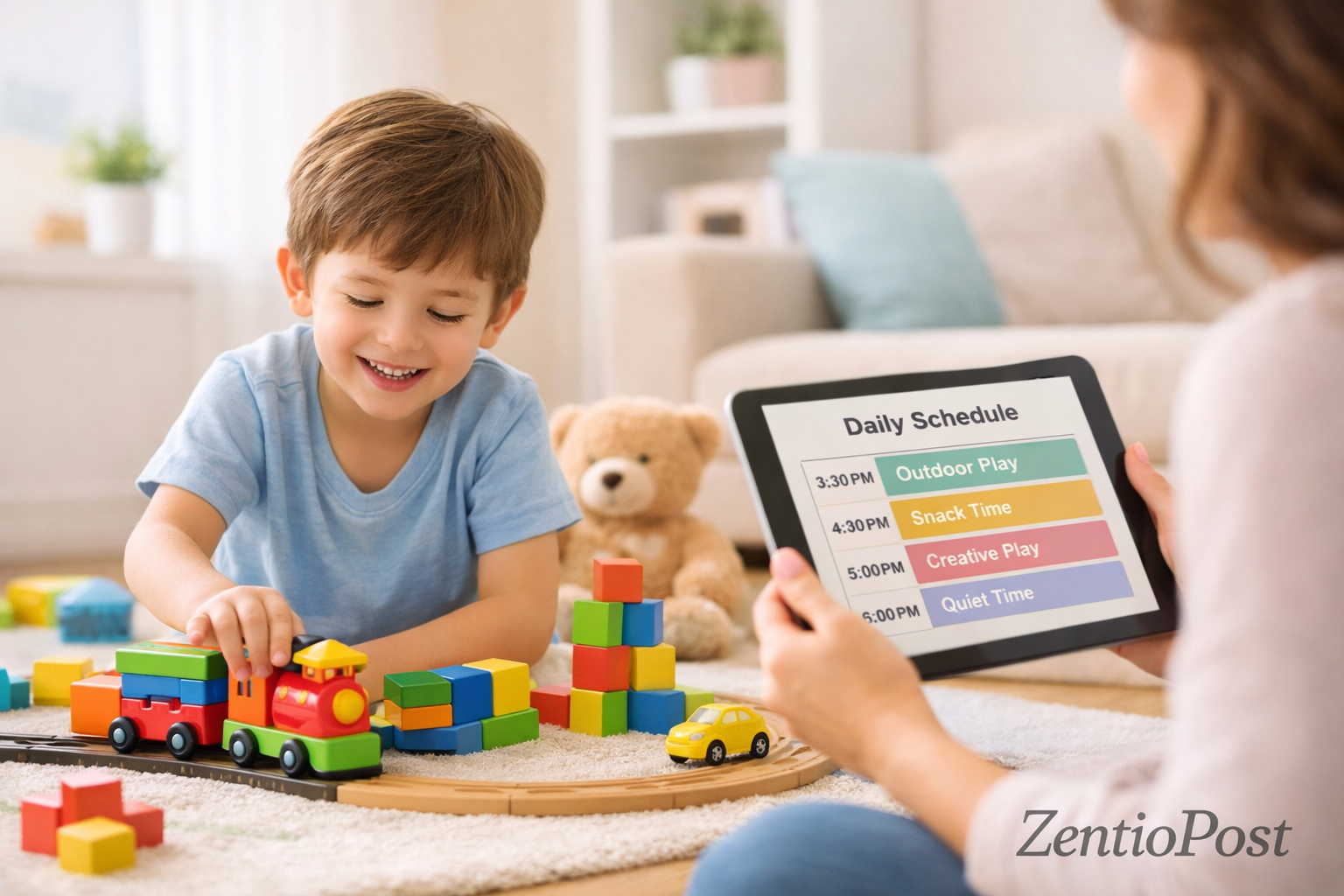
Why a Playtime Scheduler Matters More Than Ever
I’ve noticed something over the years. Kids today are busier than ever, yet somehow they still struggle to get enough meaningful play. Between schoolwork, screens, and structured activities, free play often gets squeezed out.
That’s where a playtime scheduler quietly becomes a game changer.
When we intentionally plan play, children don’t lose spontaneity. They actually gain better balance, healthier routines, and more focused learning time. Families also feel less stressed because everyone knows what to expect.
If you’ve been wondering whether scheduling play is worth it, the short answer is yes. But the real value comes from doing it the right way.
What Is a Playtime Scheduler?
A playtime scheduler is simply a structured plan that sets aside dedicated time for children to play. It can be as simple as a daily routine or as advanced as a digital calendar with reminders.
The goal is not to control play. It is to protect it.
In our experience working with families and educators, the most effective playtime schedulers usually include:
- Daily free play blocks
- Outdoor activity time
- Creative or imaginative play
- Social play with siblings or friends
- Screen-free play periods
When done well, it creates rhythm without feeling rigid.
Key Benefits of Using a Playtime Scheduler
Better Time Balance for Kids
One of the biggest wins we’ve seen is improved time balance.
Kids naturally drift toward whatever is easiest, often screens. A playtime scheduler ensures they also get:
- Physical movement
- Creative stimulation
- Social interaction
- Mental downtime
Over time, this balance supports healthier development.
Reduced Screen Dependency
Let’s be honest. Without structure, screens tend to take over.
When we introduce scheduled play blocks, children gradually expect and accept non-screen activities. It doesn’t eliminate devices, but it prevents passive scrolling from dominating their day.
Improved Focus During Study Time
This is something parents often overlook.
When children know playtime is coming, they concentrate better during homework or learning sessions. We’ve seen this repeatedly. Anticipated fun increases motivation.
A well-timed playtime scheduler can actually improve academic performance indirectly.
Stronger Family Routine
Families thrive on predictable rhythms.
With scheduled play:
- Bedtime battles decrease
- Homework resistance drops
- Transitions become smoother
It brings a quiet sense of order to busy households.
How to Create an Effective Playtime Scheduler
Step 1: Observe Your Child’s Natural Energy Patterns
Before building any schedule, watch your child for a few days.
Ask yourself:
- When are they most active?
- When do they seem mentally tired?
- When do meltdowns usually happen?
This insight helps you place playtime where it naturally fits.
Step 2: Choose the Right Type of Play Blocks
Not all play is the same. A strong playtime scheduler mixes different play styles.
Include these categories:
- Free play: Unstructured, child-led
- Outdoor play: Running, biking, sports
- Creative play: Drawing, building, crafts
- Social play: With siblings or friends
- Quiet play: Puzzles, reading corners
Variety keeps children engaged and prevents boredom.
Step 3: Keep Time Blocks Realistic
One mistake I see often is over-scheduling.
You don’t need hour-long play sessions every time. Depending on age:
- Toddlers: 20 to 40 minutes
- Preschoolers: 30 to 60 minutes
- School-age kids: 45 to 90 minutes
Start small. Consistency matters more than duration.
Step 4: Build Around Existing Routines
The best playtime scheduler fits into real life.
Try anchoring playtime:
- After school
- Before dinner
- Mid-morning for younger kids
- Weekend morning blocks
When play follows predictable anchors, children adapt faster.
Step 5: Leave Room for Flexibility
Structure works best when it breathes.
We always recommend leaving at least one flexible play window per day. Life happens. Energy levels change. Weather shifts.
A rigid schedule breaks easily. A flexible one lasts.
Daily Playtime Scheduler Example (By Age)
For Toddlers (Ages 2–3)
Morning
- 9:30 AM: Outdoor free play (30 minutes)
Afternoon
- 2:00 PM: Creative indoor play (20 minutes)
Evening
- 5:30 PM: Quiet play before dinner (15 minutes)
For Preschoolers (Ages 4–5)
After School
- 3:30 PM: Outdoor active play (45 minutes)
Early Evening
- 6:00 PM: Imaginative play (30 minutes)
For School-Age Kids (6–10)
After Homework
- 4:30 PM: Physical play or sports (60 minutes)
Evening Wind-Down
- 7:00 PM: Quiet creative play (30 minutes)
These are starting points. Adjust based on your child’s needs.
Best Tools to Use as a Playtime Scheduler
You don’t need anything fancy, but the right tool helps.
Simple Options
- Printed daily routine charts
- Whiteboard family planners
- Magnetic routine boards
- Paper planners
These work great for younger kids who benefit from visual cues.
Digital Options
For older children or busy families:
- Calendar apps
- Routine apps for kids
- Smart home reminders
- Family scheduling apps
Digital tools add automation, but simplicity often wins for younger ages.
Common Mistakes to Avoid
We’ve helped many parents fix play routines, and the same mistakes keep recurring.
Over-Structuring Play
If every minute is controlled, play stops feeling like play.
Leave room for imagination. The playtime scheduler should protect freedom, not remove it.
Ignoring Outdoor Time
Indoor play is helpful, but outdoor movement is essential for:
- Motor skills
- Sleep quality
- Mood regulation
Try to include outdoor play at least once daily when possible.
Not Adjusting as Kids Grow
What works at age four will not work at age eight.
Review your schedule every few months and update it based on:
- School demands
- Energy changes
- New interests
People Also Ask
How long should daily playtime be?
Most experts recommend at least 1 to 2 hours of active play daily for school-age children. Younger kids often need more frequent but shorter sessions.
The key is consistency, not perfection.
Is scheduled play better than free play?
Both matter.
A playtime scheduler should include protected time for completely free, child-led play. The schedule ensures that free play actually happens.
Can a playtime scheduler help with behavior?
Yes, in many cases.
Children who get regular physical and creative outlets often show:
- Fewer meltdowns
- Better focus
- Improved sleep
- Reduced screen dependency
We’ve seen noticeable improvements within a few weeks in many families.
What is the best time of day for play?
It depends on the child, but commonly effective windows include:
- After school (to release pent-up energy)
- Mid-morning for younger children
- Early evening wind-down play
Observe your child’s natural rhythm for best results.
Advanced Tips We’ve Learned From Real Families
Over time, a few strategies consistently make playtime schedulers more successful.
Use Visual Timers
Kids respond extremely well to visual countdown timers. It reduces resistance when transitioning between activities.
Let Kids Help Build the Schedule
When children help design their playtime scheduler, they feel ownership.
Try asking:
- “What games do you want this week?”
- “When do you feel like playing outside?”
Participation increases cooperation.
Rotate Toys Weekly
This one works surprisingly well.
Instead of giving access to everything all the time:
- Store some toys away
- Rotate weekly
- Reintroduce “old” toys as new
It keeps the play fresh without buying more stuff.
Protect Playtime Like an Appointment
This mindset shift changes everything.
If we protect meetings and school time, we should protect play too. Avoid canceling play blocks unless truly necessary.
Final Thoughts: Small Structure, Big Impact
When we first started recommending the playtime scheduler approach, some parents worried it would make childhood feel too rigid.
What we’ve actually seen is the opposite.
Kids become calmer. Families argue less. Homework gets done faster. And most importantly, children get the kind of play that truly supports their development.
You don’t need a perfect system. Start simple. Stay consistent. Adjust as you go.
That’s what works in real life.
Also check more useful content: https://zentiopost.com/
